Protect and Enhance Your Deck: Expert Deck Staining Services You Can Trust
When it addresses caring for a deck, expert staining services offer a reliable solution. These authorities perceive the nuances of various wood types and local climates, delivering ideal care and appeal. By opting for qualified professionals, homeowners can avoid typical mistakes and economize on valued time. However, selecting the right service can be intimidating. Grasping what to evaluate is paramount to realizing durable outcomes. The expedition to a exquisitely finished deck begins here.
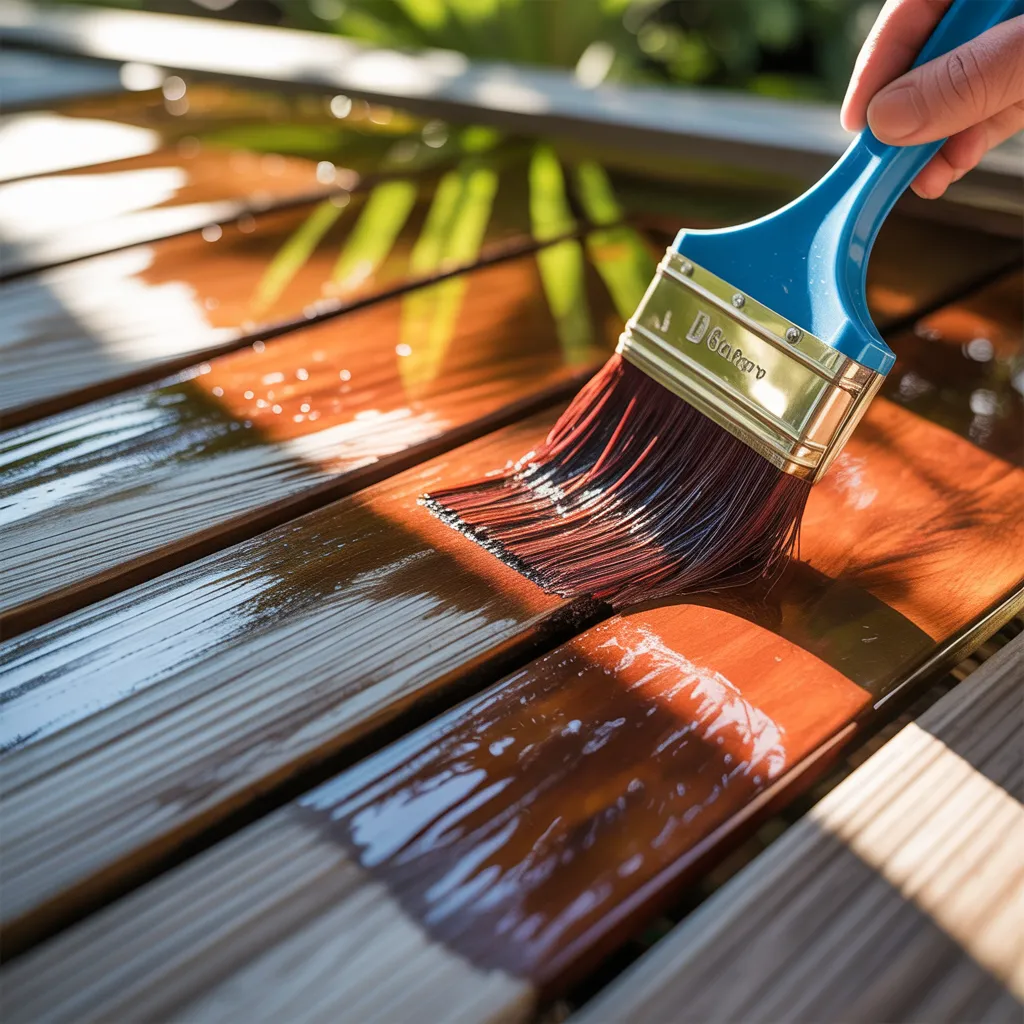
Why It's Important to Hire Specialists for Staining Your Deck
When approaching deck staining, homeowners regularly neglect the advantages of hiring professionals. Engaging specialists ensures a higher quality finish, as they have the required skills and experience to manage diverse wood types and conditions. Professionals grasp the complexities of choosing the right stain, considering factors like wood porosity and local climate. Additionally, they have access to exclusive tools and equipment that make the procedure more efficient and effective.
Additionally, professionals can save homeowners time and effort, enabling them to concentrate on other important tasks. They are also knowledgeable about safety protocols, minimizing the risk of accidents during the staining application. By employing experts, homeowners can achieve lasting results that improve their deck's look and longevity. Ultimately, the expenditure in professional services can lead to a beautifully stained deck that not only appears attractive but also provides protection against the weather for many years ahead.
Prevent These Everyday Deck Staining Blunders Before You Embark
Many homeowners make critical mistakes when it comes to deck staining, often leading to poor results. One frequent error is neglecting proper prep work. Failing to clean the deck properly can trap grime and debris, preventing the stain from adhering effectively. Another mistake is choosing the wrong type of stain; opting for an oil-based stain on a surface that requires a water-based product can result in flaking and uneven coverage. Additionally, staining under direct sunlight is unwise, as it can cause the stain to dry too quickly, leading to blotches. Many overlook the importance of applying multiple thin coats instead of a single thick one, which can compromise durability. Finally, not allowing adequate drying time between coats can lead to issues with finish integrity. By avoiding these problems, homeowners can guarantee a more effective and long-lasting deck staining project.
Things to Know About Deck Staining
When evaluating deck staining, people can expect a comprehensive preparation process that includes surface cleaning to guarantee ideal results. Following this, the staining process requires applying the chosen product evenly for a lasting finish. Understanding these steps can help establish realistic expectations for the project.
Preparation and Exterior Cleaning
interfere with the staining process. It's essential that the surface is dry before applying any stain to establish proper absorption. Additionally, any damaged boards or loose nails should be resolved
The Staining Procedure Overview|Dyeing Technique Breakdown|An Introduction to the Pigmentation Process|Staining Process Basics|Understanding the Coloring Process
The deck staining process proceeds through a series of well-defined steps that ensure a smooth and effective application. At first, the professional team inspects the deck for any damage or areas that need fixing.|At first, the expert team checks the deck for any damage or areas in need of repair.|At first, the expert team examines the deck for any issues or areas that need fixing.|Initially, the professional team inspects the deck for any damage assessment or areas requiring repair. After confirming the surface is clean and dry, they select a premium stain suited to the wood type and desired finish. The application begins with edging, followed by using a roller or spraying the stain evenly across the deck boards.|The application begins with edging, followed by rolling or spraying the stain evenly over the deck boards.|Applying commences with edging, then rolling or spraying the stain evenly across the deck boards.|The application commences with edging, followed by using a roller or spraying on the stain evenly over the deck boards. Care is taken to avoid puddling and guarantee consistent coverage. After the initial coat dries, a second coat can be applied to boost protection and deepen color. Ultimately, the team delivers recommendations on drying durations and care, assuring the deck remains beautiful and well-preserved for years ahead.
Strategies for Selecting the Best Fit Deck Staining Service for Your Home
Finding the ideal deck staining service can feel overwhelming, especially with numerous choices to consider. To make an informed choice, property owners should begin by exploring local companies and read customer feedback. A trustworthy service will have a portfolio highlighting their previous work, allowing prospective customers to assess quality and style.
Next, it's necessary to inquire into the varieties of protective finishes and stains applied, as well as the application techniques used. This ensures that the selected company corresponds with the homeowner's preferences for strength and appearance. Additionally, getting multiple quotes can deliver insight into expense and quality.
Finally, take into account the company's track record and whether they offer warranties for their work. Selecting a service with a solid reputation and transparent dialogue will ultimately result in a more enjoyable deck staining experience. By following these steps, homeowners can confidently select a service that meets their needs and enhances their outdoor space.
The Positive Aspects of Employing High-Quality Stains and Sealants
Putting money into superior stains and sealants can significantly enhance the durability and look of a deck. These excellent products offer necessary protection against moisture, UV rays, and temperature changes, which may cause wood warping and decay over time. By creating a sturdy barrier, top-grade stains and sealants help prevent mold and mildew growth, providing a more pristine surface that is more convenient to maintain.
Plus, premium stains often hold pigments that enhance the wood's natural splendor, magnifying colors and highlighting wood texture. This not only improves the presentation but also contributes to value to the property. High-quality products typically present superior grip and longer-lasting results, decreasing the intervals between recoating. Ultimately, going with these superior materials can bring about noteworthy financial advantages in maintenance costs while preserving the deck's structural integrity and aesthetic charm. Investing in quality is a prudent choice for any homeowner looking to protect their patio area.
How Often Should You Restain Your Decking?
How often should homeowners aim to re-stain their decks? Usually, it is recommended to re-stain a deck every two to three years, although several factors can influence this timing. The type of wood, climate conditions, and stain quality all have crucial roles in determining the necessary frequency. In locations with severe weather, like intense sunlight or heavy rain, more frequent re-staining may be required to safeguard the wood from damage. Homeowners should also look out for signs of wear, such as discoloration or water absorption, which signal that the protective layer has lessened. Regular maintenance inspections can help in monitoring these conditions, ensuring that the deck remains in prime shape. Ultimately, staying proactive about re-staining can prolong the deck’s lifespan and preserve its beauty, making it a sensible investment for homeowners.
Strategies for Preserving Your Newly Colored Deck Looking Great
To guarantee a newly stained deck maintains its aesthetic appeal and durability, homeowners should adopt a few essential care practices. Regular cleaning is vital; using a broom or leaf blower to eliminate debris prevents mold and mildew buildup. A soft cleaning with soap and water can eliminate dirt without harming the stain.
Homeowners ought to also avoid using potent chemical solutions, as these can strip the finish. Instead, selecting a neutral-pH cleaning solution will protect the stained wood finish.
Moreover, setting mats at entry points decreases dirt and moisture tracked onto the deck. This basic step can meaningfully lengthen the life of the stain.
Finally, periodic inspections for signs of wear or fading enable prompt maintenance, guaranteeing the deck remains bright and properly safeguarded. By adhering to these recommendations, homeowners can appreciate a stunning and resilient deck for many years ahead.
Popular Questions Asked
How Long Does It Usually Take to Finish Deck Staining?
Deck staining generally takes one to two days to finish, depending on the size of the deck and atmospheric conditions. Adequate prep work and cure time are crucial for obtaining optimal results and longevity of the finish.
May I Apply Stain My Deck After It Gets Rained On?
Staining your deck right following rainfall is not recommended. The surface needs to be completely dry to ensure proper adhesion and absorption of the stain, normally taking a period of 24 to 48 hours following rain.
What Groundwork Is Necessary Before Treating My Deck?
Before staining a deck, one should clean it thoroughly, ensuring all dirt and debris are eliminated. Allow the surface to completely dry and inspect for damage or loose boards that may require repair.
Can you discover eco-friendly coloring options available?
Yes, multiple environmentally conscious coloring solutions are available, such as water-based stains and those made from plant-based oils. These options decrease dangerous compounds, rendering them gentler on the ecosystem while effectively safeguarding and improving the deck's look.
Does Coating Your Deck Help Block Mold and Mildew?
Using stain on a deck can greatly lower the risk of mold and mildew by building a defensive barrier against water infiltration. This barrier helps maintain the wood dry, preventing the proliferation of unwanted fungi and ensuring longevity.